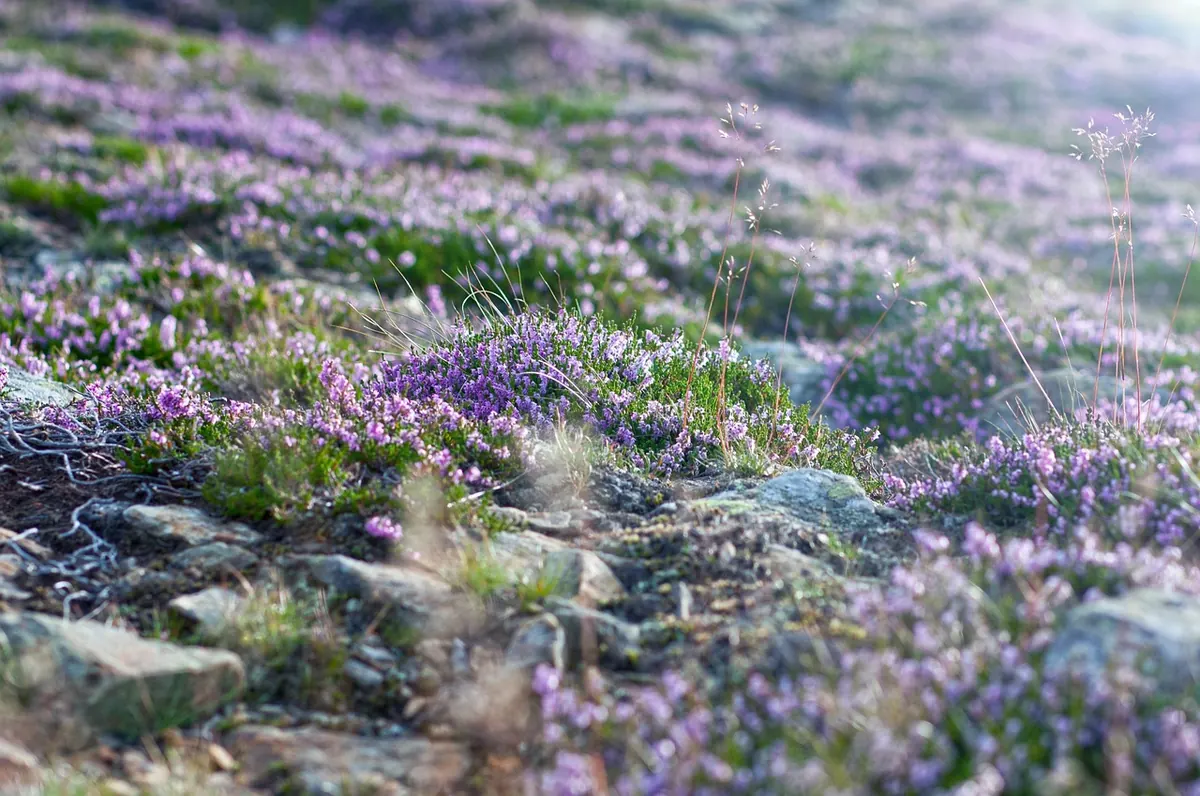
A late-summer walk across a heather moor looks like a purple carpet laid over poor, stony ground. The plants are knee-high at best, the trees are missing, and nothing about the scene suggests wealth. Yet the most valuable thing on that hillside is under your boots. Heathland soils — peat, half-rotted litter and the tangled roots of dwarf shrubs — hold carbon that took centuries to bank and can be spent in a fraction of that time.
What Counts as Heathland
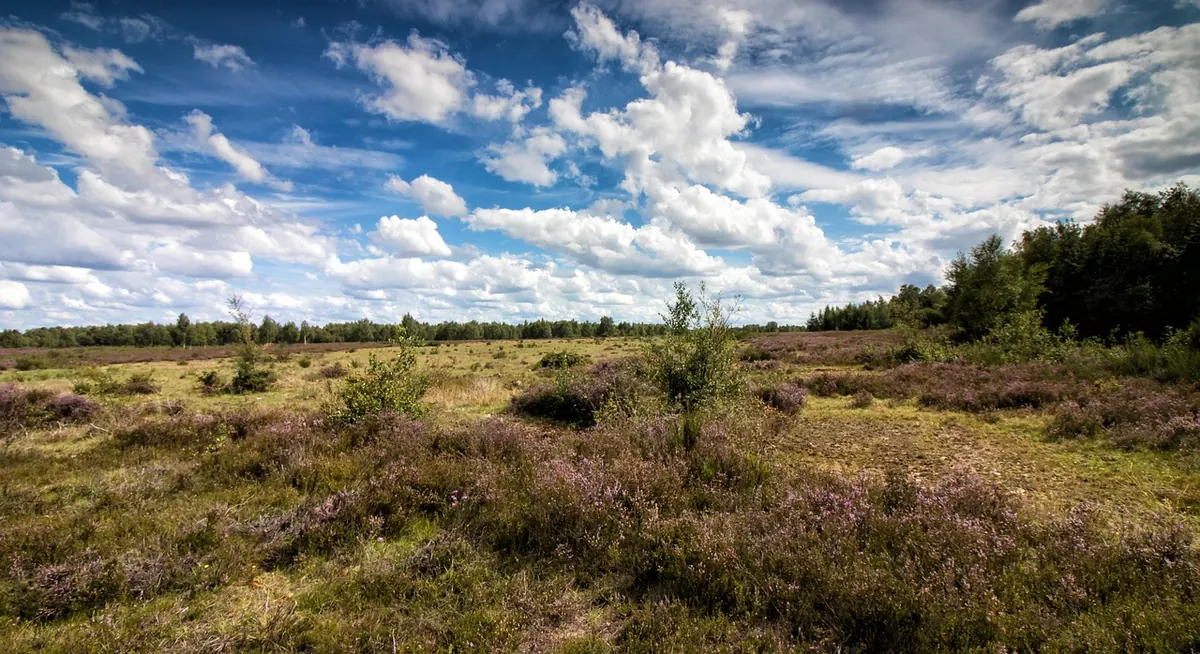
Heathland is a loose term for open, shrubby ground on acidic, nutrient-poor soils. Lowland heaths are dominated by heather, bell heather, gorse and bracken, often with bare sandy patches and lichens between the bushes. Upland moors and blanket bog mosaics look similar from a distance but frequently sit on deep peat. Comparable shrublands exist from Norway to New Zealand, under names such as moorland, kwongan and fynbos.
None of it is forest, and that is part of the problem. Tree-planting targets and woodland carbon schemes have made forests the default image of land-based climate action. Heathland rarely has a champion. Where it sits on deep peat, its carbon story is arguably larger than the trees' — just far less visible.
Three Places the Carbon Hides
When people picture stored carbon they picture trunks. On heathland, the living shrubs are the smallest of three stores.
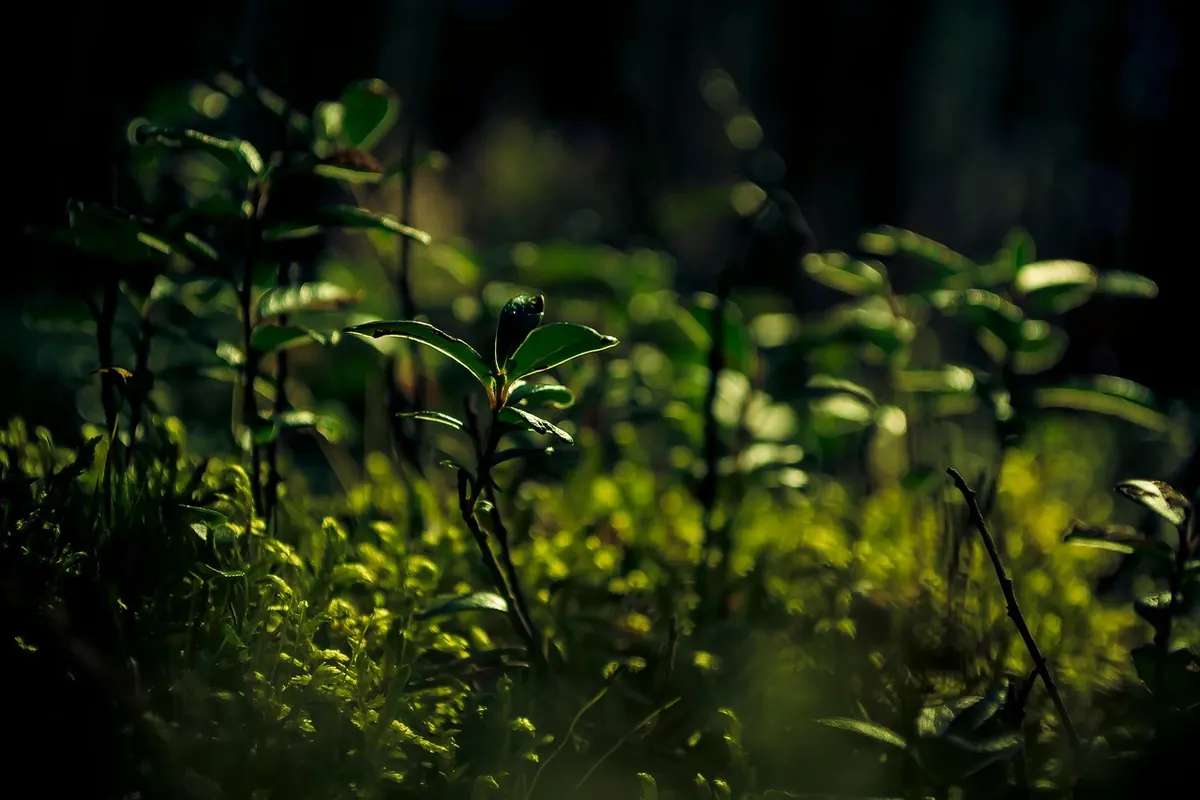
- Standing shrubs. Heather, gorse and bilberry are woody and long-lived. They grow slowly, and much of the carbon they fix ends up below ground in roots and their associated fungi rather than in a trunk you could measure.
- Litter. Dead stems, leaves and mosses build up because they rot slowly in cool, acidic, often waterlogged conditions. This is the dark, springy layer that gives a moor its mattress feel.
- Peat and soil organic matter. Where drainage is poor, Sphagnum mosses and other plants lay down peat — partly decomposed material that accumulates faster than it can break down. Deep peat can run to several metres.
That third store dwarfs the other two wherever it exists. A peat soil can hold more carbon per hectare than the shrubs and any trees above it, and it keeps that carbon out of circulation for centuries or millennia.
Slow Growth, Slower Decay
Two processes explain the build-up. Growth is slow: heather seedlings take years to knit together, and cold, wet, nutrient-poor soils limit how much any plant can produce. Decay is slower still. Heather litter is tough, acidic and rich in compounds that resist the enzymes decomposers rely on. Waterlogging pushes oxygen out of the soil, so the microbes that dismantle organic matter at speed are sidelined.
Carbon goes in faster than it comes out. It is a bank account with small deposits and almost no withdrawals.
What Goes Wrong When Heathland Is Damaged
Four pressures do most of the harm, and they usually arrive together.
- Drainage. Ditches and grips lower the water table. Oxygen moves in, dormant microbes wake up, and stored carbon starts leaving as carbon dioxide, with methane from the wetter pockets. Many upland drains were cut decades ago for grazing and forestry; plenty still work as slow leaks.
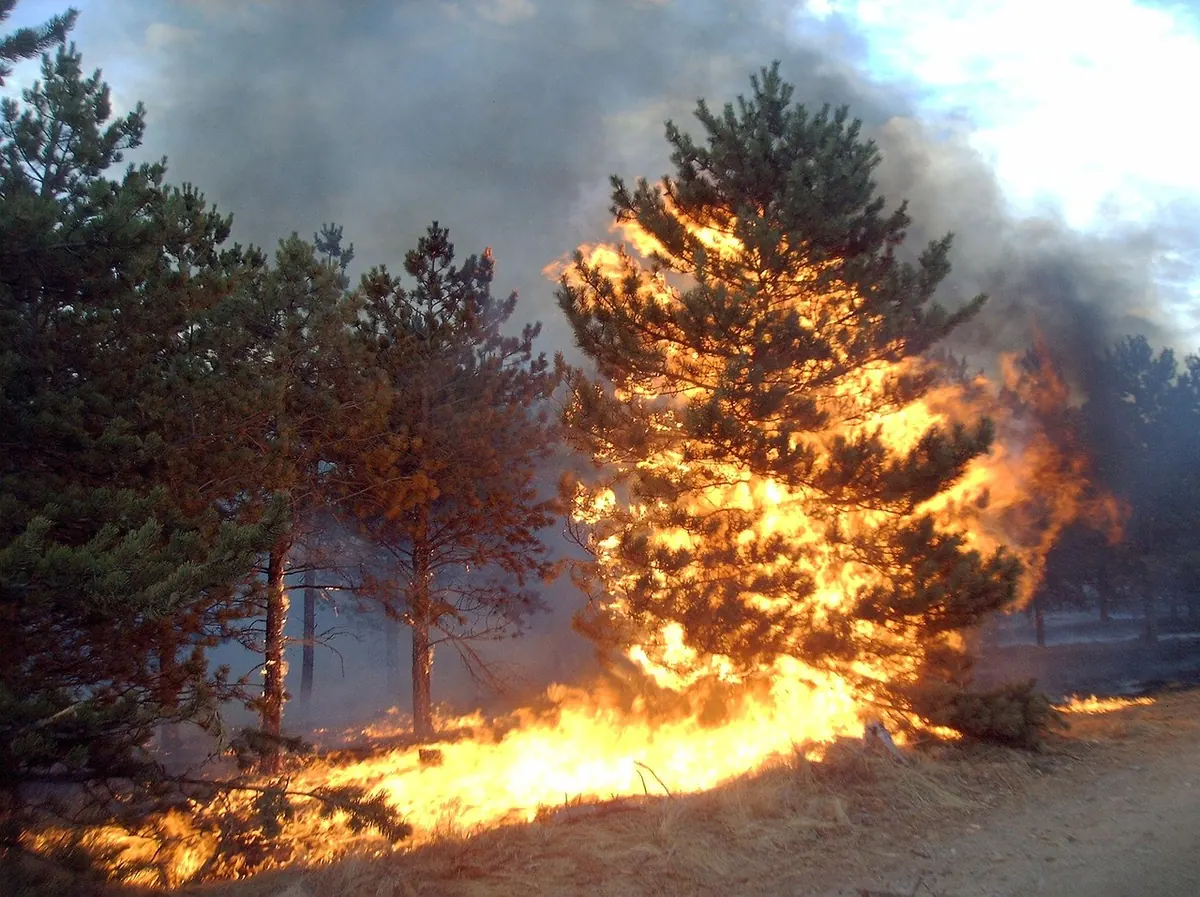
- Fire. Managed burning is used in some places to keep heather at a mix of ages. Cool, quick burns mostly remove above-ground growth. Hot fires that reach the litter or the peat itself take the stored carbon with them and leave bare, eroding ground behind. Peat can smoulder underground for weeks after the flames are out.
- Erosion. Bare peat sheds carbon into streams, turning the water brown and adding to treatment costs downstream. Footpaths, vehicle tracks and heavy grazing all start the process.
- Tree planting and shade. Dense conifers on deep peat dry the surface and shade out the shrubs. On deep peat, planting is now generally discouraged for carbon reasons, though the advice depends on peat depth and local conditions.
Why Damaged Heath Loses Carbon Faster Than a Forest
A forest keeps most of its carbon in living wood. Cut or burn it and much of that carbon returns to the atmosphere quickly — but the site can regrow, and a young wood is drawing carbon down again within decades. Imperfect, but there is a reset button.
Peat does not work that way. Its carbon sits in dead material accumulated over centuries, and it stays put only while the ground is waterlogged and short of oxygen. Break that condition and the losses are effectively permanent on any human timescale. A drained peatland can keep emitting for decades, and what it releases is fossil carbon in all but name — it left the atmosphere long before the Romans arrived. Rewetting may stop the leak, but it cannot bring back the peat that has already oxidised or washed downstream. Sphagnum regrows at millimetres a year, so a metre of lost peat represents a very long wait indeed.
A forest can be replanted. A peat bank cannot be un-spent.
How to Tell Whether a Heath Is Holding Carbon or Losing It
You do not need a laboratory to read the signs. A few field clues point the way.
- Water table. Squelchy ground, standing water in old footprints and bright green Sphagnum suggest carbon is being held. Firm, dry, cracked ground suggests the opposite.
- The peat itself. Dark, sticky, well-humified peat has been building for a long time. Pale, fibrous layers full of roots are younger, and often mean the surface has been disturbed or is eroding.
- Bare peat and gullies. Exposed faces, peat hags and cloudy sediment in streams are direct evidence that carbon is leaving as particles, not just as gas.
- Species mix. Heather of different ages, cotton grass, cross-leaved heath and mosses are healthy signs. Even-aged heather, dense bracken or a thick carpet of conifer seedlings usually mean management is pushing the site one way.
No single clue proves anything, but together they give a walker a rough sense of whether the ground underfoot is a bank or a leak.
What Good Management Actually Looks Like
Restoration is unglamorous and mostly about water. Blocking ditches and letting the water table rise back towards the surface is the single most effective step on deep peat. On shallower, drier lowland heaths the priorities shift: keeping scrub and trees from shading out the heather, and using light grazing or mowing to keep the shrub layer open without stripping it bare.
Where peat is bare and eroding, stabilising it with mulch, geotextiles or nurse plants can slow the loss while mosses re-establish. Reintroducing Sphagnum works in some places, but it is slow and costly, and it only holds if the hydrology is fixed first. Fire needs managing too: a cool, quick burn on a damp day is a different proposition from a deep, hot burn on a dry one, and many managers now avoid burning on peat altogether.
Some of the most useful interventions are the least dramatic. Moving a footpath a few metres, keeping vehicles off soft ground, or easing grazing pressure on an eroded edge can save more carbon than any planting scheme on the same site — and cost far less.
The Bottom Line
Heathlands are not empty ground waiting for a better use. On deep peat they are among the densest terrestrial carbon stores in Europe, and the fact that they are not forests has done them few favours. The plants on top are modest; the bank beneath them is not. Keeping that bank intact is mostly a matter of keeping it wet, keeping it covered and keeping heavy machinery off it. Compared with many climate measures, the arithmetic is simple — and the cheapest version of it is the one done before the peat is gone.
Photo: jggrz / Pixabay