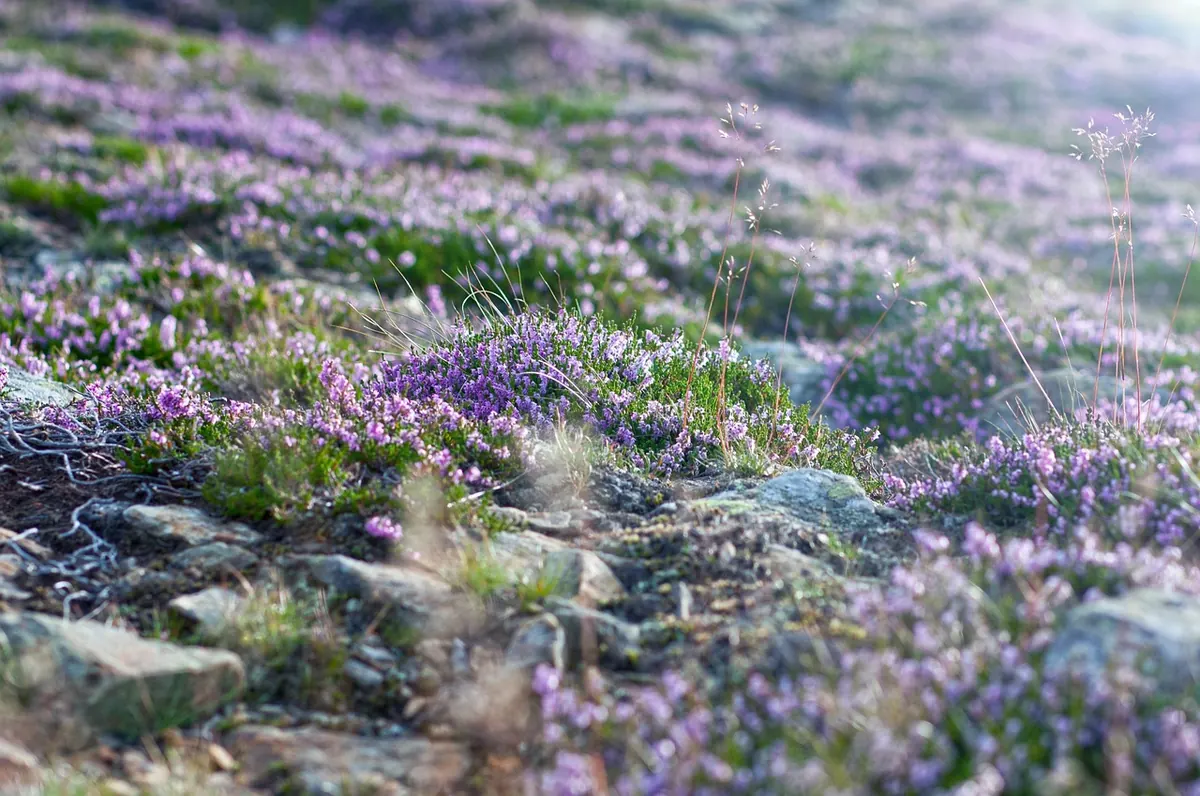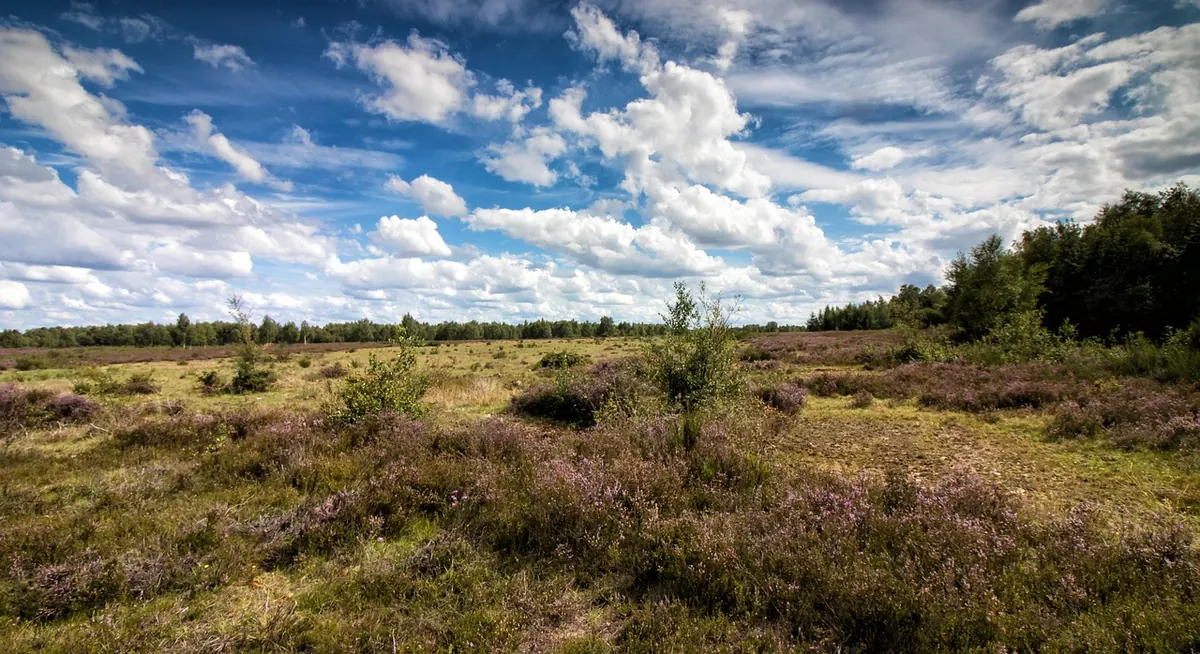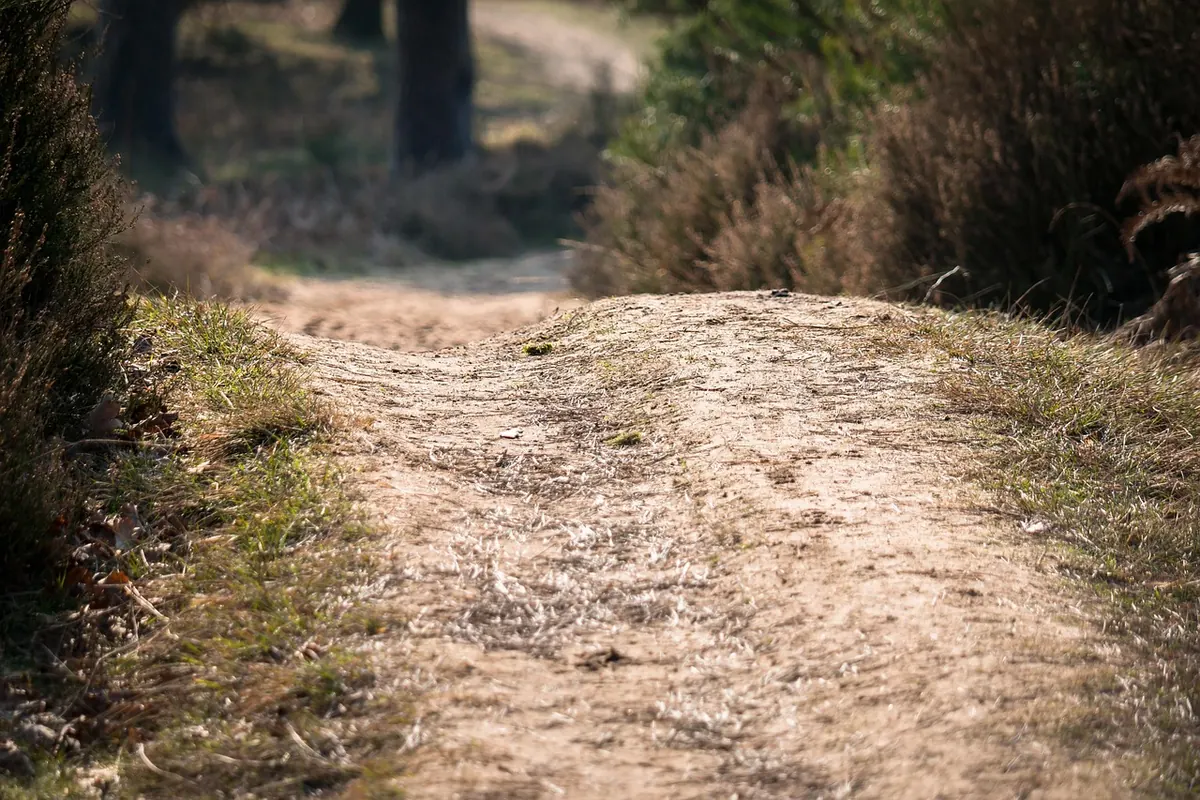
A heathland in late summer looks almost indestructible. The sand is pale underfoot, the heather is a low purple haze, gorse cracks open its yellow flowers, and grasshoppers fire off in front of your boots like sparks. Nothing that tough could be fragile. Except it is.
Lowland heath is a scarce habitat, and the fragments that survive are usually protected for good reason. Most of it exists because people grazed, cut and burned here for centuries; left alone, it quietly turns into scrub, then woodland, and the birds, reptiles and insects that depend on open ground move on. A day walk is one of the gentlest ways to enjoy a heath. With a bit of planning, it stays that way.
Check the season before you check the map
The single most useful piece of planning happens in the calendar, not the map app. From roughly March to the end of July, heathland birds are nesting on the ground. Nightjar, woodlark, skylark, meadow pipit and Dartford warbler all lay in shallow scrapes among the heather, and the eggs and chicks are camouflaged to the point of invisibility. Curlew and other waders use wetter heath and mire edges.
This is why so many reserves ask for dogs on short leads through spring and into summer, and why some close particular paths or blocks of heather entirely. Those closures are not bureaucratic fussiness; a single dog running through a nesting block can clear several pairs in an afternoon. Read the reserve's own page or noticeboard before you travel, because dates vary with altitude, latitude and the species involved, and some areas stay restricted into August where chicks fledge late.
Plan a route the reserve can absorb
Heathland paths are often sandy and thin. They erode quickly, and they widen faster than they recover. A good low-impact route is usually the boring one: a waymarked loop from the main car park, following the reserve's suggested circuit rather than a tempting shortcut across open heather.
Before you set out, find out:
- Whether any paths, zones or car parks are closed for nesting, grazing or heather management.
- Where the official entrances are, and whether the loop is genuinely circular or relies on a road walk.
- What the ground does after rain. Wet heath, mire and bog are soft, easily damaged and best avoided entirely.
- Where the nearest facilities and water are. On many heaths, the honest answer is "nowhere near".
Mobile signal is patchy on heaths, so carry a paper map or download one in advance, and tell someone where you are going and when you expect to be back. This is ordinary hillwalking sense, and it applies just as much to a two-hour stroll on a flat reserve.
Path etiquette: stay narrow, stay on it
Walk single file where the path is narrow. It feels antisocial for a few minutes and saves a metre of habitat; two people walking side by side through heather flattens a strip that may take years to recover. Resist the instinct to step around puddles, mud or a damp patch. Stepping onto the edge is exactly how a footpath doubles in width, and heathland plants do not cope with being trodden.
The same logic applies to corners. Cutting a bend, hopping off a boardwalk, or following a faint "desire line" worn by other walkers all add up. Bare sand between the heather is not a natural feature of a healthy heath; it is damage. Lichen patches, small mossy hummocks and clumps of dwarf shrubs are living surfaces, not obstacles.
Leave the landscape where it is. Do not move stones to build cairns, stack logs, pick flowers or forage. Fungi, seed heads and dead wood all support something.
Dogs, leads and the details owners forget
Most heathland reserves welcome dogs, and most have rules that vary by season. Where a short lead is requested, keep it short rather than clipped to your waist on a long line. Conservation grazing is common on heaths, so you may meet ponies, cattle or sheep — give them a wide berth, and never let a dog run at them.
Then there is the less glamorous part:
- Pick up and carry out. Heathland soils are nutrient-poor by nature, and dog waste adds fertility that encourages coarse grasses and nettles at the expense of heather. Bag it and take it to a bin.
- Do not leave bags on the path for later collection. They rarely get collected.
- Keep dogs out of pools and mires. These hold amphibians, dragonfly larvae and rare plants, and warm standing water can carry algae that is harmful to dogs. If you are unsure about a site, ask locally.
- Stop the chase. Ground-nesting birds, basking lizards and adders all suffer when a dog gets close.
Adders are the one heathland resident worth a moment's respect. Give any snake space, do not attempt to handle it, and if a bite ever happens, seek medical help promptly rather than waiting to see how it develops.
If you flush a bird, back off quietly
It happens, even with careful planning. A skylark bursts up from almost under your boot, or a bird starts calling sharply and flying at you. That behaviour means you are close to a nest or chicks. Stop, keep the dog close and still, and retrace your steps the way you came. Do not stand and scan with binoculars, and do not wait for a photograph. A few seconds of quiet retreat is usually enough.
If you see someone else's dog running loose through a closed nesting area, it is reasonable to mention it politely to the owner or to reserve staff. Most of it is genuine ignorance rather than bad intent.
What to carry, and what to leave behind
Pack light but pack deliberately: water, a layer for wind, sun protection, a map or downloaded route, a fully charged phone, and a bag for your own litter. Bring a spare bag and you can carry out a bottle or wrapper someone else dropped.
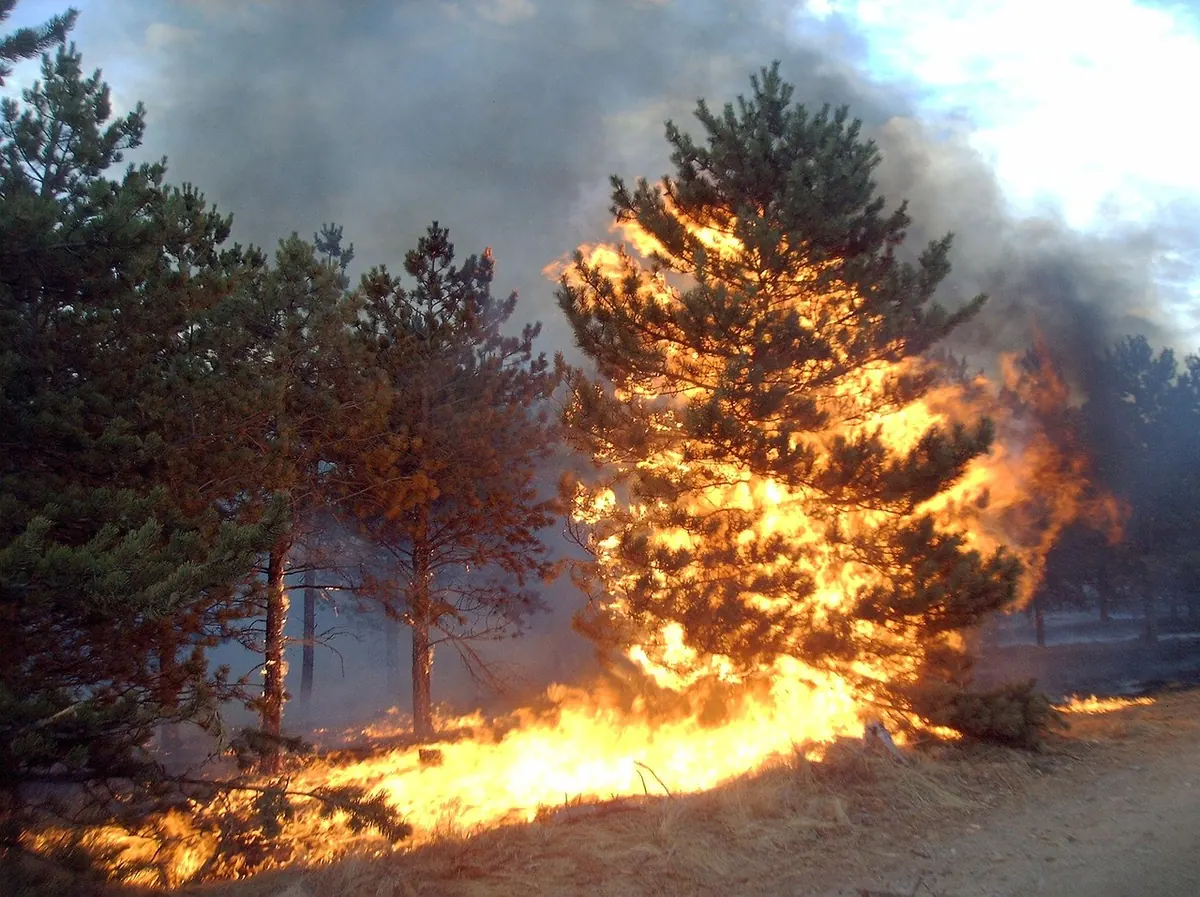
Leave these at home or in the car: disposable barbecues, camping stoves, drones and anything with a flame. Heather, gorse and dried grass burn fast and hot, and peat under the surface can smoulder for days. Fires, smoking and sky lanterns have no place on a heath at any time of year, and many reserves ban them outright.
A five-minute check before you go
- Look up the reserve's page for closures, nesting restrictions and dog rules for the current month.
- Choose a waymarked circular route from an official entrance, and check it is passable after recent rain.
- Decide in advance that you will walk single file, through the middle of puddles, and stay off wet mire.
- Tell someone your route and expected return time, and carry water even for a short walk.
- Keep the dog on a short lead wherever it is asked for, and carry the waste out with you.
Do those five things and the day becomes simple: boots sandy, dog tired, habitat intact. If you have a health condition, an allergy or a bite or sting to worry about, check with a pharmacist or doctor before heading out rather than after.
Photo: Didgeman / Pixabay